
Senior Dental Guide
to Healthy Teeth After 55
Your trusted partner in senior dental wellness.

Welcome. A practical, comforting guide to protecting your smile at every stage of life
As we age, our smiles need a little extra care, and that’s completely normal.
Your teeth and gums have supported you for decades, and with the right attention, they can continue to do so comfortably and confidently.
This guide was created to help you understand what changes are common after 55, how to protect your oral health, and when to seek professional care — all in a clear, easy-to-follow way.
1. Why Teeth Over 55 Need a Different Kind of Care
Your teeth haven’t failed — they’ve changed.
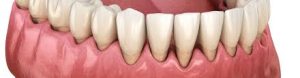
The care your teeth need at 25 isn’t the same care they need after 55.
Years of chewing, natural changes in the body, and common health conditions quietly affect enamel, gums, and jaw comfort. That’s why many adults notice new sensitivities or dental concerns that seem to appear suddenly.
Common changes include:
- Thinner enamel and increased sensitivity
- Receding gums that expose tooth roots
- Cavities near the gumline
- Bite or jaw discomfort
- Normal wear from decades of use
These changes are a normal part of aging — and with the right care, many issues can be prevented or managed early.
2. How Medications Can Affect Your Oral Health
Some prescriptions can quietly impact your teeth and gums.

Many commonly prescribed medications reduce saliva, which plays a major role in protecting your mouth.
A frequent side effect is dry mouth, which reduces saliva — your mouth’s natural defense against bacteria. This can increase the risk of cavities, gum disease, and bad breath.
When saliva levels drop, you may experience:
- Dry or sticky mouth
- Increased cavities
- Gum irritation
- Trouble chewing or swallowing
What helps:
- Drinking water throughout the day
- Using alcohol-free mouthwash
- Asking your dentist about saliva-supporting products
Always inform your dental team about any medications you take.
This doesn’t mean you need to stop medications — it means your dental care should adjust to support your oral health alongside them.
3. Preventing Gum Disease and Managing Dry Mouth
Early gum disease often has no pain — but it is preventable.

After 55, gums need extra attention. Gum disease can progress quietly, especially when dry mouth is present.
With the right approach, many problems can be slowed or avoided through:
- Gentle, consistent daily care
- Professional cleanings
- Products designed for dry mouth or sensitivity
- Personalized recommendations based on your health
Small changes now can help protect your teeth for years to come.
4. Dentures vs. Dental Implants: Understanding Your Options
Tooth replacement options are more comfortable than ever.
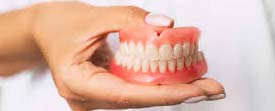 Missing teeth are common — and today’s solutions are designed to look natural and feel secure.
In this section, you’ll learn:
- The difference between dentures and dental implants
- What daily life feels like with each option
- How health, comfort, and lifestyle factor into the decision
If you’re missing teeth, you’re not alone — and you have options.
Dentures
- Removable and more affordable upfront
- May require adjustments over time
- Can affect chewing and comfort
Dental Implants
- Fixed, stable, and natural-feeling
- Preserve jawbone health
- Longer-term solution
There’s no one “right” choice — only what’s right for you. Your options depend on your health, comfort goals, and budget. A consultation can help determine what works best for you.
5. Warning Signs: When to See a Dentist
Some symptoms shouldn’t be ignored.
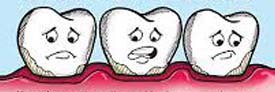
Early treatment is often simpler and more affordable.
Schedule a dental visit if you notice:
- Ongoing tooth or jaw pain
- Bleeding or swollen gums
- Loose teeth or changes in bite
- Mouth sores that don’t heal
- Persistent dry mouth or bad taste
Listening to these signs can help protect both your smile and your overall health.
6. A Simple Daily Care Checklist for Adults Over 55
Daily care doesn’t need to be complicated.

A few consistent habits can make a big difference.
A healthy daily routine includes:
- Brushing gently with the right toothpaste
- Cleaning between teeth every day
- Staying hydrated
- Using products designed for sensitivity or dry mouth when needed
Consistency matters more than perfection.

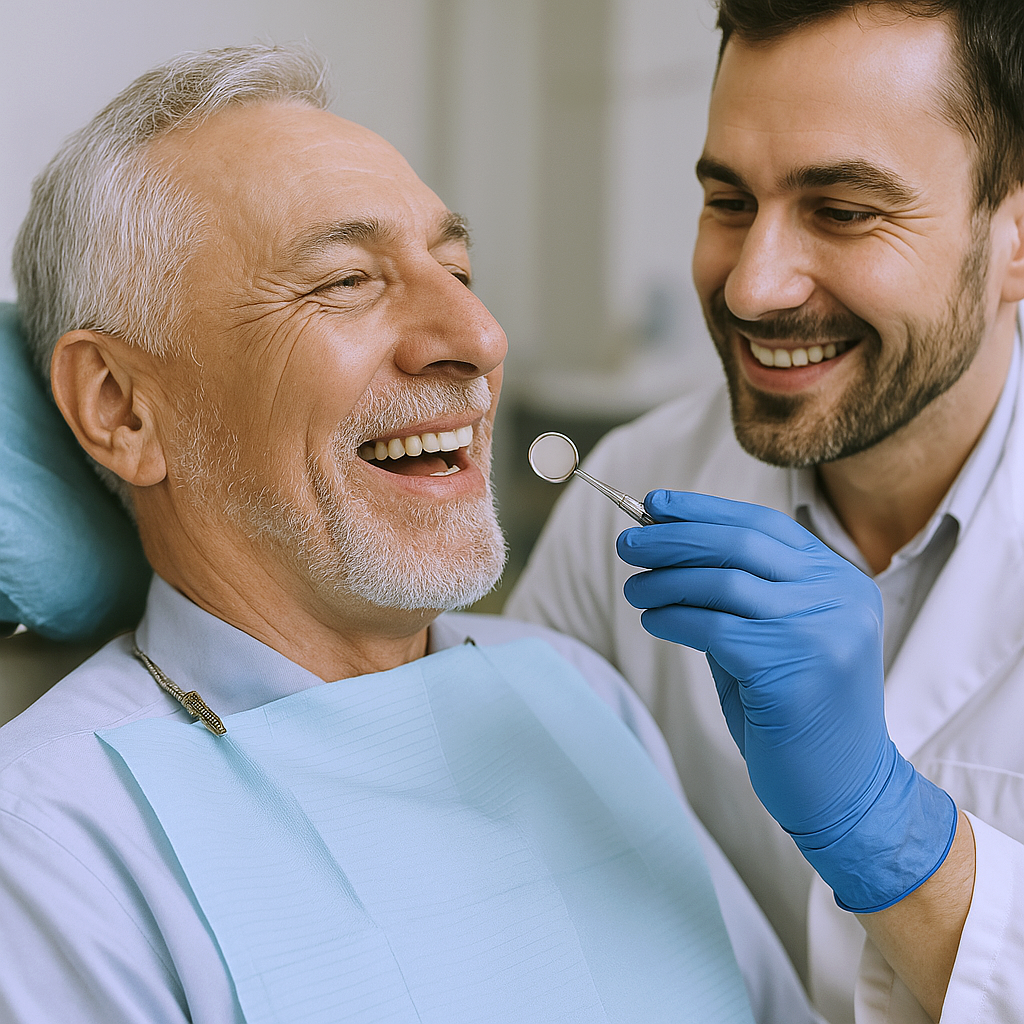
How Senior Smiles Dentistry in Florida Supports Adults 55 and Better
At Senior Smiles Dentistry, we focus on care that respects where you are in life.
Our approach includes:
- Age-aware dental care
- Clear, pressure-free explanations
- Comfort-first treatment options
- Help navigating insurance and financing
- A supportive team that listens
Your deserve dental care that feels informed, respectful, and reassuring.